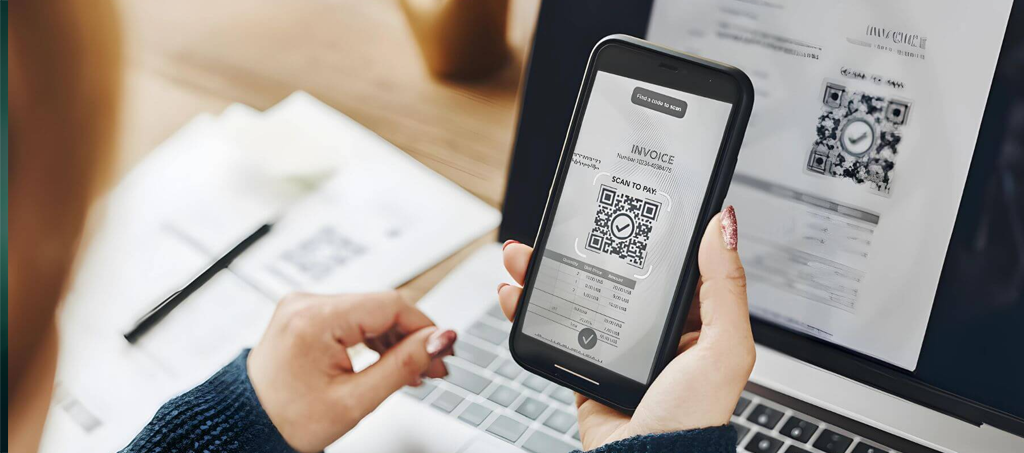
Cryptocurrency has transformed how people manage digital assets—offering speed, accessibility, and greater control. QR codes quickly became part of this ecosystem because they simplify transactions: scan, confirm, and you're done.
However, this convenience also created opportunities for misuse.
In recent years, reports of fraudulent QR codes have increased. In many cases, users are tricked into scanning a malicious code that directs a transaction to an unintended wallet address. Because most blockchain transfers are irreversible, these mistakes can be costly.
Understanding how these scams work and recognizing early warning signs is essential for protecting your digital assets.
Understanding QR Code Scams
QR codes in crypto often encode wallet addresses or payment information. Scammers create altered or entirely fake QR codes that redirect funds to their own wallets. These codes may appear in pop-up messages, fake support chats, misleading advertisements, or imitation websites.
Fraudulent QR codes are often paired with messaging that conveys urgency or authority—such as requests to "verify your account" or "resolve an issue immediately"—making users more likely to react without verification.
Common Scenarios Where QR Code Scams Occur
1. Fake Support Chats
A user browsing an exchange or wallet app may see a pop-up claiming account issues. The "support agent" instructs them to scan a QR code to confirm their identity or restore access.
2. Airdrop Promotions
Fraudulent campaigns circulating on Telegram, X, or forums ask users to scan a QR code and send a small amount of crypto to "participate" in an airdrop.
3. Impersonated Giveaways
Scammers pose as known companies or influencers offering bonuses, but only after the user scans a QR code and initiates a transfer.
4. Donation Requests
In times of crisis, fake charity drives may circulate QR codes that appear legitimate but route donations to unrelated wallets.
5. Event Flyers or Online Posters
QR codes placed at events, in public meetups, or inside online communities may lead to unauthorized transactions when scanned.
Signs You May Have Interacted with a Fraudulent QR Code
A QR code is presented as the only way to resolve a problem or receive a reward.
You notice wallet activity you did not authorize.
Messages emphasize acting "immediately" without time to verify.
The code or request originates from unfamiliar websites or random social media accounts.
What to Do If You Suspect a Scam
Quick action can help limit further issues.
1. Document the Details
Save screenshots of the QR code, messages, wallet transactions, and associated URLs. Documentation is valuable for reporting and analysis.
2. Move Remaining Funds
Transfer remaining crypto from the affected wallet to a new, secure wallet that has never interacted with suspicious links or applications.
3. Report the Incident
Notify relevant financial or consumer protection authorities.
You can also contact a reputable digital asset consultation or recovery service for guidance. These organizations use blockchain-analysis tools to help review the situation and suggest possible next steps.
How Professional Services Typically Assist
1. Case Review
Specialists examine how the incident occurred, analyze wallet activity, and outline what can be done next.
2. Evidence Collection
This includes gathering QR codes, wallet addresses, message logs, and transaction histories to create a clear overview of the event.
3. Communication with Platforms
Some services may contact exchanges or platforms to notify them of the incident and request appropriate action when possible.
4. Strategic Guidance
Depending on the situation, professionals may outline steps you can take, risk-reduction strategies, and potential avenues for further reporting.
How to Protect Yourself from QR Code Scams
Verify the source of any QR code before scanning.
Use hardware or cold wallets for storing significant amounts of crypto.
Watch for browser extensions or tools that may modify displayed QR codes.
Join credible online communities that share security updates and warnings.
Follow alerts and guidance issued by your wallet provider or exchange.
Examples from Real Situations
Several reported cases illustrate how quickly such scams can occur:
A user interacting with a fake support chat scanned a QR code meant for "account verification," which redirected funds to an unknown wallet.
Another individual scanned a code from a fraudulent airdrop promotion, unintentionally initiating a transaction that emptied their wallet.
These examples highlight the importance of verifying the legitimacy of any code before scanning.
Conclusion
QR codes provide convenience in the world of digital assets—but they also create opportunities for misuse when users are not cautious. A single scan can initiate a transaction, so taking a moment to verify the source is essential.
If something feels off, pause and double-check before proceeding. Should you encounter suspicious activity, documenting the details and seeking guidance from reliable channels can help you understand your options and take the appropriate next steps.
Staying informed and cautious is one of the most effective ways to protect your digital assets.