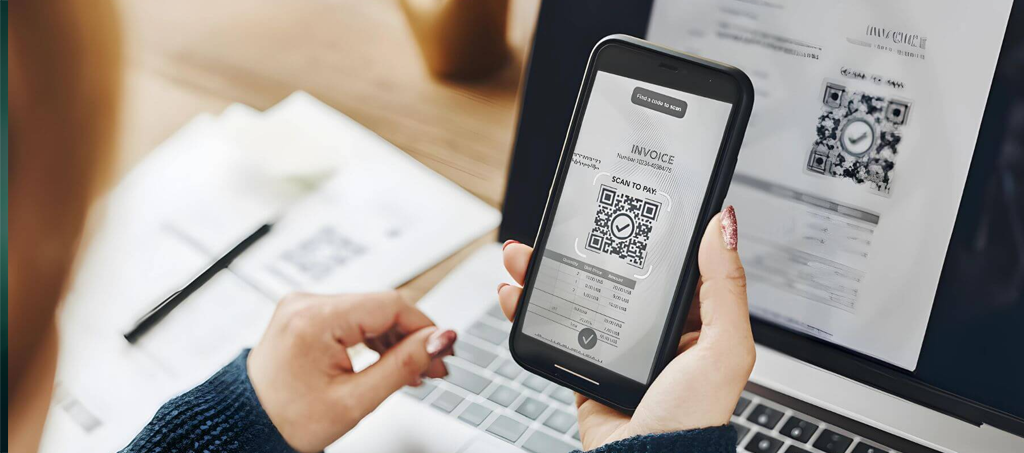
Cryptocurrency has changed the way people move money—fast transfers, instant access to funds, and full control over digital assets. Because of this convenience, QR codes have become a common part of many crypto transactions. But the same simplicity that helps users operate quickly also creates opportunities for misuse.
In recent years, more individuals have reported incidents where scam QR codes redirected funds to unauthorized wallets. These situations highlight the importance of understanding how QR-based fraud works and what steps users can take to better protect themselves.
This overview explains typical tactics and warning signs, along with practical measures that may help reduce the risk of losses.
Understanding QR Code Scams
Crypto-related QR codes usually encode wallet addresses to streamline transfers. Normally, a user scans the code and the wallet address is filled in automatically.
Scammers exploit this convenience by creating QR codes that secretly route funds to their own wallets. These codes may appear on fake websites, messages posing as customer support, or promotional pages claiming to offer rewards. Because blockchain transactions are generally irreversible, funds sent to an incorrect address cannot be retrieved through the blockchain itself.
Fraudsters often imitate well-known brands or influencers, use convincing layouts, and create a sense of urgency to encourage quick action before users verify the information.
Common Situations Where QR Code Scams Occur
Fake Support Chats
Pop-ups or messages may claim that your account needs "verification" or "repair," instructing you to scan a QR code.
Airdrop Announcements
Posts on social platforms sometimes promote "exclusive token drops" that require scanning a QR code or sending a small verification payment.
Impersonation Giveaways
Scammers pretend to represent companies or public figures and advertise beneficial offers that require scanning a QR code.
Fake Donation Campaigns
During emergencies, fraudulent charity pages circulate QR codes requesting crypto donations.
Event or Flyer Scams
At public gatherings, printed materials may include unauthorized QR codes promising rewards or bonuses.
Signs You May Have Encountered a QR Code Scam
You are asked to scan a QR code to "unlock a reward" or "fix an issue," especially if you never requested help.
Your wallet shows a transaction that you don't recall approving.
Messages pressure you to act immediately without verification.
QR codes or instructions come from unknown websites or random social media accounts.
What to Do If You Believe You Were Scammed
Quick action may help you prevent further loss:
Save all evidence
Screenshots of QR codes, messages, pages, and transaction IDs may be useful if you report the incident.
Secure your remaining funds
Move assets from the affected wallet to a new wallet that hasn't interacted with suspicious sites or applications.
Report the incident
Notify relevant platforms, your wallet provider, or applicable regulatory channels.
Some individuals also consult independent recovery support services such as Focus Funds Recovery for guidance based on their situation.
How Professional Case Review Services May Help
In more complex cases, users sometimes seek assistance from third-party specialists who offer guidance.
Such services typically include:
Case Review & Explanation
A structured discussion to understand the sequence of events and the type of scam involved.
Evidence Organization
Helping clients compile wallet addresses, timelines, screenshots, and transaction details.
Communication Support
Assistance with preparing reports to exchanges, platforms, or relevant authorities when applicable.
Strategic Guidance
Explaining possible next steps depending on the nature of the incident, while clarifying that outcomes vary and cannot be guaranteed.
How to Reduce the Risk of QR Scams
Scan only QR codes received from verified and trusted sources.
Use hardware wallets or secure storage methods for significant amounts of crypto.
Enable two-factor authentication on all platforms.
Avoid downloading unknown browser extensions that may alter QR codes.
Stay informed through communities and official updates from your wallet provider or exchange.
Real-World Examples
Cases reported publicly show how convincing these scams can be:
In one instance, scammers posing as support representatives persuaded a user to scan a QR code to "restore access," which resulted in the unauthorized transfer of funds.
Another user encountered a fake airdrop page where scanning a QR code triggered an automated withdrawal through a malicious smart contract.
Conclusion
QR codes offer convenience, but they also introduce specific risks. Scammers often exploit urgency and trust, so taking a moment to verify the source can make a significant difference.
If something feels unusual, pause and reassess before scanning or confirming any transaction.
If you believe you have encountered a QR-related scam, document what happened, secure your accounts, and consider seeking professional guidance where appropriate. Awareness and timely action can help reduce risks and strengthen your overall security practices.