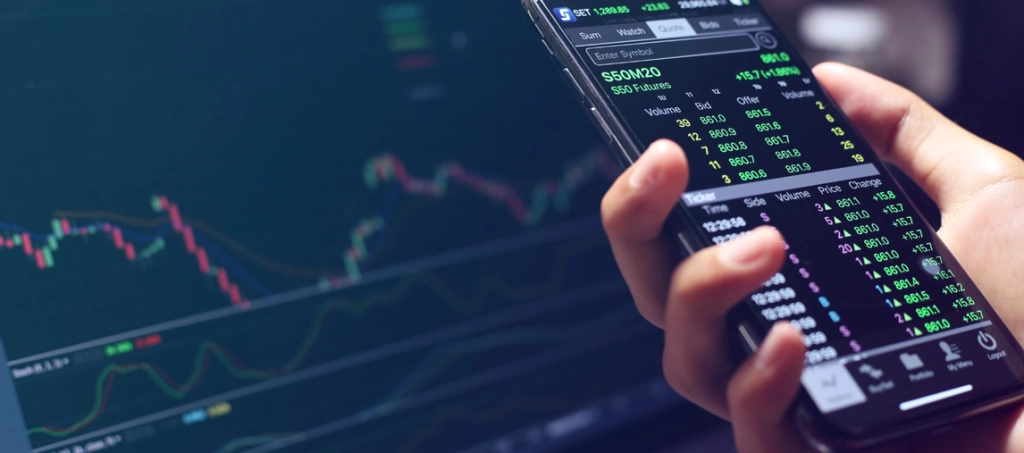
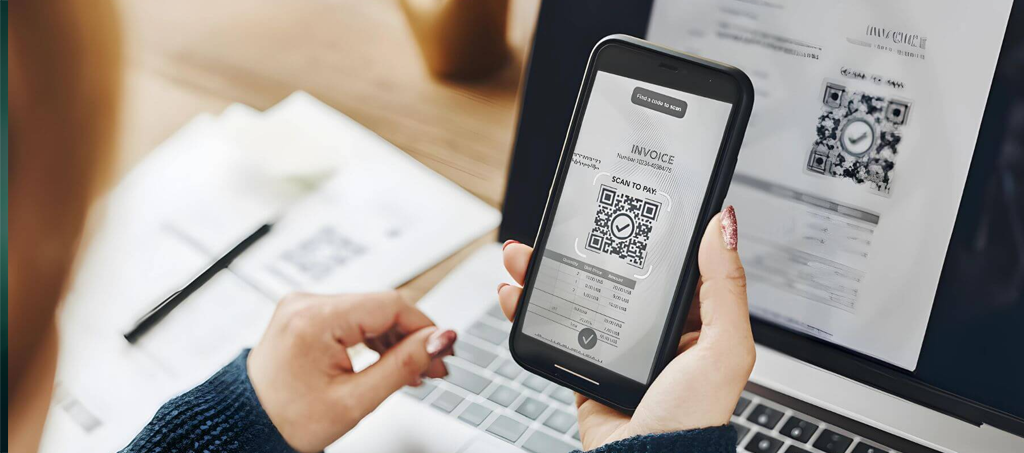
Forex trading attracts many participants because of its global reach and active market environment, but it also carries substantial risks—especially in the online space, where misleading platforms and deceptive actors often operate. Individuals who are new to the trading world may be targeted with promises of effortless profits or guaranteed outcomes. If you have experienced issues involving an untrustworthy Forex platform or suspicious behavior, this guide aims to help you understand how such schemes typically work, how to respond responsibly, how to reach the appropriate regulatory channels, and how to identify reputable support services. It also outlines practical steps to reduce the likelihood of encountering similar problems in the future.
What Are Forex Trading Scams?
Forex trading scams generally involve deceptive practices designed to mislead individuals into using unreliable platforms or financial products. These schemes often emphasize high returns with little risk, encouraging victims to deposit funds or share sensitive information before discovering that the platform does not operate as advertised. Understanding how these scams function can help you recognize them early. Below are several common examples.
Ponzi-Style Schemes
This type of scheme uses deposits from new participants to pay earlier ones, rather than generating legitimate trading profits. Such structures typically collapse once new deposits slow down, leaving many participants with significant losses.
Unregistered or Unlicensed Firms
Some platforms operate without regulatory authorization, making them difficult to monitor or trace. This lack of oversight allows operators to disappear quickly, leaving users without access to their accounts.
High-Pressure Sales Tactics
Fraudulent brokers may create urgency by claiming that an opportunity is "limited" or that immediate deposits are required. These tactics aim to prevent users from researching the offer.
Misleading Automated Trading Systems
Certain automated tools or "bots" are advertised as guaranteed profit systems. In reality, many of these programs use misleading data or unrealistic claims to attract deposits.
Impersonated Advisors
Scammers may pose as market experts or financial consultants, encouraging individuals to participate in unauthorized or illegal schemes.
How to Spot a Forex Scam
Recognizing warning signs is an essential step toward avoiding loss. Common indicators include:
Guaranteed Profits
Since Forex markets are volatile, no broker or platform can guarantee consistent returns or risk-free trading. Claims of certainty should be viewed with skepticism.
Unregulated Brokers
Before engaging with a platform, verify whether it is regulated by a recognized financial authority. Regulatory bodies help ensure that firms follow proper standards and provide accurate disclosures.
Aggressive or Urgent Requests
Tactics that push you to deposit money immediately—without providing adequate time to review information—may signal deceptive intentions.
Lack of Transparency
Legitimate platforms clearly disclose their policies, fees, and operational details. If you cannot verify company information or withdrawal procedures, consider it a warning sign.
Negative Reviews
Online reviews, forums, and consumer-protection websites often reveal recurring problems such as withdrawal delays or unresponsive support.
Steps to Recover Lost Money from Forex Scams
If you suspect that you have been affected by a fraudulent Forex service, remain calm and approach the situation methodically. Taking structured action can help you understand your available options.
1. Report the Incident to Relevant Authorities
Begin by notifying appropriate financial or regulatory institutions, such as:
The Financial Conduct Authority (FCA)
The Commodity Futures Trading Commission (CFTC)
The Securities and Exchange Commission (SEC)
The European Securities and Markets Authority (ESMA)
Your national financial regulator or cybercrime reporting agency
Timely reporting helps authorities monitor fraudulent activity and may assist in broader investigations.
2. Gather Evidence
Organize all documents and records related to the incident, including:
Transaction receipts or payment confirmations
Email or message exchanges with the platform
Screenshots of trading dashboards or promotional claims
Bank statements showing relevant transfers
Accurate documentation can be useful when consulting professionals or submitting reports.
3. Contact Your Bank or Payment Provider
If payments were made through cards, bank transfers, or digital payment systems, notify your financial institution promptly. They may review the transaction for unauthorized activity or advise you on available processes.
4. Consider Recovery or Advisory Services Carefully
Some organizations offer guidance for individuals dealing with trading-related issues. It is essential to research these services thoroughly, as unreliable firms may pose additional risks. Avoid sharing sensitive information, especially passwords or account credentials.
5. Seek Legal Assistance
A legal professional familiar with financial-fraud cases can provide guidance on potential next steps and help you understand available avenues based on your jurisdiction.
How to Avoid Forex Scams in the Future
Taking preventive steps can significantly reduce your exposure to high-risk situations:
Choose Regulated Brokers: Always verify that a platform is supervised by reputable regulatory bodies such as the FCA, CFTC, ESMA, or others. Use official websites to check registration status.
Research Thoroughly: Review user feedback, regulatory information, and independent assessments before choosing any trading service.
Start with Small Amounts: If you decide to test a platform, use minimal deposits first and verify whether withdrawals function properly.
Educate Yourself: Understanding Forex markets, trading terminology, and risk factors can help you make informed decisions.
Be Wary of Unrealistic Claims: Avoid platforms that promote guaranteed outcomes, no-risk strategies, or unusually high success rates.
Conclusion
Addressing issues involving suspicious Forex activities requires patience and a methodical approach. Reporting the incident, gathering documentation, consulting legal or professional support, and carefully evaluating any recovery services can help you understand and respond to the situation more effectively.
By choosing regulated brokers, conducting proper research, and staying vigilant, you can reduce the likelihood of encountering deceptive platforms and trade in a safer, more informed manner.