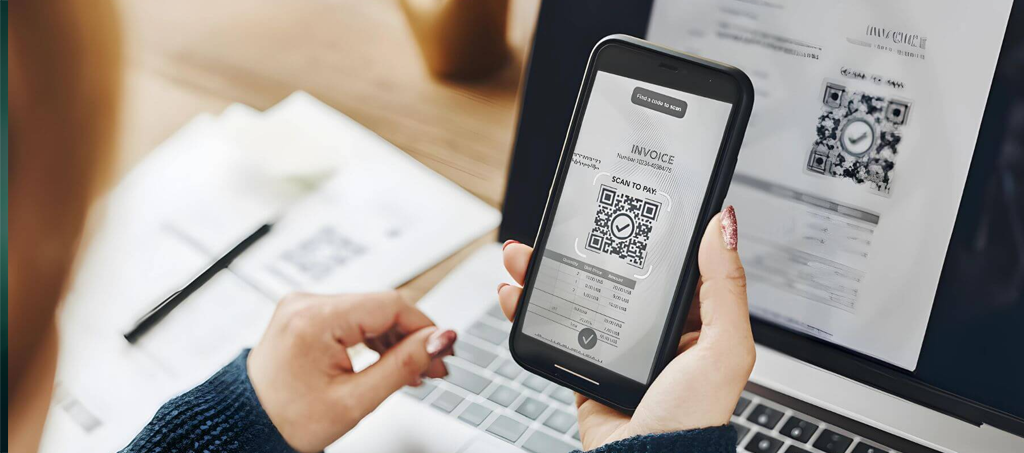
The growth of digital assets has reshaped online finance, introducing new forms of technology, payment tools, and participation in global digital markets. Alongside this rapid development, however, there has also been an increase in deceptive practices targeting individuals unfamiliar with how these systems operate.
If you have experienced issues related to digital-asset fraud, understanding the situation clearly and responding promptly can help you navigate the next steps in an informed and responsible way.
Understanding Bitcoin-Related Scams
Bitcoin-related scams generally involve misleading or deceptive tactics intended to obtain access to funds or sensitive information. Because blockchain transactions are irreversible and pseudonymous, resolving such incidents can be challenging.
Many types of digital-asset fraud share similar patterns across the wider industry, including impersonation, misleading investment claims, phishing attempts, and fraudulent platforms that misrepresent themselves as legitimate services.
Common Forms of Bitcoin-Related Fraud
1. Phishing Attempts
Fraudulent websites, messages, or emails may imitate legitimate services, encouraging users to provide account credentials or sensitive information. Once obtained, these details may be used for unauthorized access.
2. Ponzi-Style Promotions
Fraudulent programs may advertise unusually high returns, using deposits from new participants to pay earlier ones. These structures typically collapse when new deposits stop.
3. Fake Exchanges or Wallet Services
Some deceptive platforms present themselves as legitimate exchanges or wallet providers, encouraging deposits but later preventing access or withdrawal.
4. Impersonation:
Scammers may pose as trusted individuals, customer-support representatives, or well-known figures in order to request payments or confidential information.
5. False Mining or Investment Opportunities
These schemes often rely on technical terminology and fabricated claims of profitability to attract participants into nonexistent mining operations or digital projects.
How to Recognize a Potential Bitcoin Scam
Guaranteed Returns
No digital-asset platform or individual can guarantee profits or risk-free returns. Claims of certainty are a clear warning sign.
Unregulated or Unverified Services
Before engaging with a platform, check whether it is officially registered or recognized by a relevant authority. Lack of transparency can indicate elevated risk.
Pressure to Act Quickly
High-pressure sales tactics, such as urging immediate deposits, may be used to prevent individuals from researching or reviewing the information.
Limited or Vague Information
Legitimate services typically provide clear details about their operations, policies, and withdrawal processes. A lack of clarity should prompt caution.
Negative User Feedback
Multiple reports of blocked accounts, delayed withdrawals, or unresponsive support teams may indicate reliability concerns.
What to Do If You Have Experienced Bitcoin-Related Fraud
1. Report the Incident to Appropriate Authorities
Notifying official bodies helps initiate review procedures and may contribute to broader awareness efforts. You may:
Report the matter to local law-enforcement agencies
Submit a complaint to cybercrime units or national reporting portals
Inform financial regulators where relevant
Notify the exchange or platform through which the transaction occurred
File reports with consumer-protection organizations
Share general warnings on public forums to alert others
Many agencies are progressively developing resources to address digital-asset fraud more effectively.
2. Gather and Organize Documentation
Comprehensive and well-structured documentation can support any investigation or consultation. Useful items include:
Transaction IDs and wallet addresses
Screenshots of communications
Platform or service details (URLs, account information)
Email records, agreements, or relevant documents
A timeline describing key events
Any identifiable information regarding individuals involved
Organized evidence helps authorities or professionals understand the situation clearly.
How to Reduce Future Risks
Verify Legitimacy: Check whether a platform or service uses official domains, secure connections, and independent, verifiable reviews.
Protect Private Keys: Private keys and recovery phrases must never be shared with anyone, including individuals claiming to be support personnel.
Avoid Unsolicited Opportunities: Be cautious with unexpected offers, especially those promoting unrealistic returns or requiring immediate action.
Strengthen Account Security: Use two-factor authentication and unique, strong passwords for all digital-asset accounts.
Stay Informed: Regularly update your knowledge about common fraud tactics, new trends, and guidance released by authorities and consumer-protection groups.
Conclusion
Addressing issues involving Bitcoin-related fraud can be a difficult experience, but taking prompt, informed steps can help clarify the situation and reduce further risk. Reporting the incident, organizing documentation, seeking professional guidance when appropriate, and implementing stronger security practices are all valuable measures.
As digital assets continue to evolve, so do deceptive strategies—which makes awareness, caution, and ongoing vigilance essential for navigating the space responsibly.